
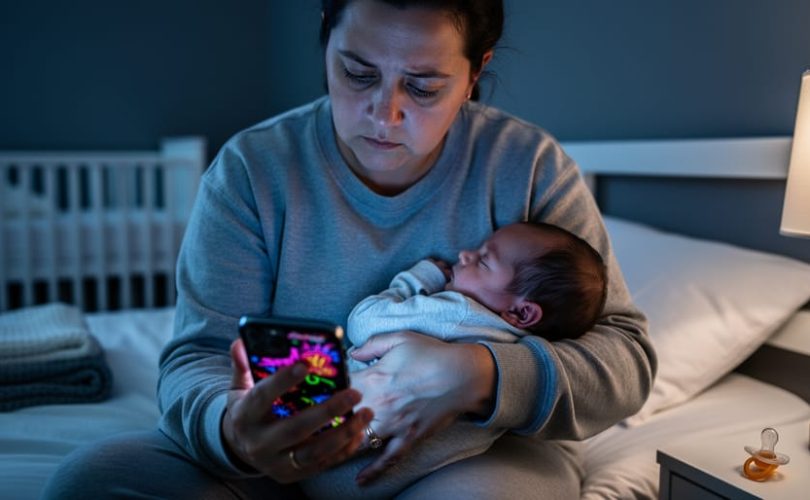
The sleepless nights, constant worry, and overwhelming responsibility of caring for a new life can push anyone toward unexpected coping mechanisms—and for some parents, online gambling becomes a hidden escape. When the accessibility of provably fair games meets the vulnerability of perinatal mental health challenges, a perfect storm can develop that affects both parent and child.
You’re not alone if you’ve found yourself reaching for your phone to place bets during 3 AM feedings or scrolling through casino apps while your baby naps. The perinatal period—from pregnancy through the first year postpartum—brings unprecedented stress, hormonal shifts, isolation, and financial pressure. These factors create conditions where gambling can transform from occasional entertainment into a concerning pattern that impacts your wellbeing and your family’s future.
This article explores the often-overlooked connection between online gambling and perinatal mental health without judgment or shame. You’ll discover why this vulnerable time makes parents particularly susceptible to gambling behaviors, recognize warning signs in yourself or a partner, and find practical alternatives that address the underlying needs gambling temporarily fills. Most importantly, you’ll learn where to turn for professional support designed specifically for parents navigating both mental health challenges and gambling concerns during this transformative life stage.
Why New and Expecting Parents Turn to Online Gambling
The Perfect Storm: Stress, Access, and Escape
The middle of the night can feel impossibly long when you’re awake with a newborn or struggling with pregnancy insomnia. During these quiet, isolated hours, your phone becomes a lifeline to the outside world. Unfortunately, it’s also a portal to online gambling platforms that never close, never judge, and promise instant relief from overwhelming emotions.
Unlike traditional casinos with operating hours and physical barriers, online gambling fits seamlessly into the fragmented schedule of perinatal life. Between feedings, during restless nights, or in those brief moments of solitude, it’s available with just a few taps. This constant accessibility becomes particularly dangerous when combined with the intense perinatal stress many parents experience.
The appeal is understandable. Gambling offers a brief escape from anxiety about your baby’s health, financial worries, relationship changes, or the weight of new responsibilities. That momentary rush provides a distraction from difficult feelings, creating what feels like a mental break when traditional forms of relaxation seem impossible to access.
What makes this particularly concerning is how quickly this pattern can develop. Sleep deprivation impairs judgment and impulse control, while hormonal changes can intensify emotional responses. The combination creates an environment where what starts as occasional stress relief can rapidly become a harmful coping mechanism, often without you fully realizing the shift has occurred.
You’re not alone in struggling with this, and recognizing the pattern is an important first step.
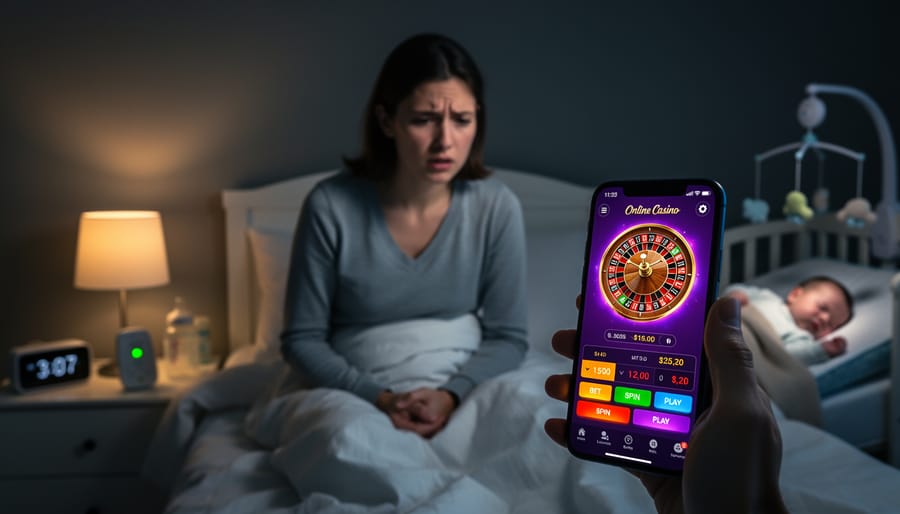
When Winning Feels Like Control
Pregnancy and early parenthood can feel like you’re on a runaway train—your body changes without permission, sleep disappears, routines vanish, and suddenly everyone has opinions about your choices. When so much feels chaotic and uncertain, online gambling can seem like one space where you call the shots.
The appeal is understandable. You pick the game, decide the bet, and press the button. For those precious moments, you’re making decisions that feel entirely yours. The platforms are designed to reinforce this feeling, with bright interfaces that respond instantly to your choices and give you the sense that skill or strategy matters.
But here’s what’s important to recognize: this feeling of control is an illusion. The outcomes are predetermined by algorithms, not your decisions. What feels like empowerment is actually keeping you engaged in something that ultimately increases stress rather than relieving it.
Many parents describe turning to gambling when they felt most powerless—during complicated pregnancies, after difficult births, or in the fog of postpartum anxiety. It’s not weakness; it’s a completely human response to feeling overwhelmed. Understanding this pattern is the first step toward finding healthier ways to reclaim genuine control in your life.
How Online Gambling Affects Perinatal Mental Health
The Anxiety Cycle
When you’re navigating the emotional ups and downs of pregnancy or early parenthood, online gambling can seem like a quick escape from overwhelming feelings. Many parents describe initially turning to gambling for a few moments of distraction or excitement during feeds or sleepless nights. In those moments, the anxiety might lift briefly as you focus on the game or bet.
However, this relief is temporary and comes at a cost. What begins as occasional distraction often transforms into a pattern that creates far more stress than it relieves. Financial losses accumulate, sometimes quickly, adding money worries to an already demanding time. You might find yourself thinking about gambling constantly, checking apps repeatedly, or feeling unable to stop even when you want to.
The secrecy that often accompanies gambling compounds the anxiety further. Hiding spending from your partner or family creates emotional distance precisely when connection matters most. You’re not only dealing with the original stress that led you to gamble, but now carrying additional burdens of financial strain, guilt, and isolation. This cycle can feel impossible to break alone, but understanding it is an important first step toward finding support and healthier ways to cope with perinatal challenges.

Depression and Shame
When gambling becomes a problem during pregnancy or the postpartum period, the feelings of shame and guilt can be overwhelming. Many parents already experience perinatal depression, and adding gambling-related distress creates an especially heavy emotional burden. You might feel like you’re failing your baby before they’ve even had a fair start, or worry that you’re not the parent you promised yourself you’d be.
This shame often keeps people silent, making them less likely to reach out for support when they need it most. The secrecy around gambling can deepen feelings of isolation, creating a painful cycle where depression fuels gambling as an escape, and gambling intensifies the depression.
It’s important to know that struggling doesn’t make you a bad parent. The perinatal period brings unique vulnerabilities, and many factors can contribute to problematic gambling during this time. Recognizing the connection between your mental health and gambling behavior is actually a sign of strength and the first step toward getting help. You deserve compassion, not judgment, especially from yourself.
Impact on Your Growing Family
Online gambling can create invisible walls between you and the people who matter most during this precious time. When you’re preoccupied with bets, apps, or recovering losses, it becomes harder to be emotionally present with your partner. Conversations about baby preparations or sharing pregnancy milestones may feel like interruptions rather than connections. Your partner might sense the distance but struggle to understand what’s causing it.
For new parents, those crucial early bonding moments with your baby require your full attention and calm presence. Gambling-related stress, sleep disruption from late-night betting, or anxiety about finances can make it difficult to respond sensitively to your baby’s needs. You might find yourself distracted during feedings or unable to enjoy simple moments of connection. The guilt that follows only deepens the emotional distance, creating a cycle that affects everyone in your growing family. Remember, recognizing these patterns is an important first step toward reconnecting with what truly matters.
Recognizing the Signs in Yourself or Your Partner
Questions to Ask Yourself
Taking a moment to reflect on your relationship with online gambling can help you understand whether it’s affecting your wellbeing during this important time. These questions aren’t about judgment—they’re simply here to help you check in with yourself honestly and compassionately.
Consider how often you’re gambling: Are you finding yourself placing bets or playing games daily, or multiple times throughout the day? Do you think about gambling when you’re doing other activities, like feeding your baby or trying to rest?
Think about secrecy and relationships: Have you hidden your gambling from your partner, family, or friends? Do you feel uncomfortable or defensive when someone asks about your phone use or spending?
Reflect on the financial picture: Has gambling affected your ability to buy necessities for yourself or your baby? Are you borrowing money, using credit cards, or dipping into savings meant for other purposes?
Notice your emotional patterns: Do you gamble when you’re feeling anxious, lonely, or overwhelmed? Does it temporarily help you escape difficult feelings, only to leave you feeling worse afterward? Have you tried to cut back or stop but found it difficult?
If you answered yes to several of these questions, reaching out for support could be a positive next step. You’re not alone in this experience.
Supporting Your Partner
If you’re worried about your partner’s online gambling during this vulnerable time, approaching the conversation with compassion is essential. Start by choosing a calm moment when you’re both relaxed, and express your concerns using “I” statements rather than accusatory language. For example, “I’ve noticed you seem stressed, and I’m concerned about how much time you’re spending online” opens dialogue without triggering defensiveness.
Remember that gambling during the perinatal period often stems from underlying mental health struggles like anxiety or depression, not a character flaw. Your partner may already feel shame or guilt, so creating a safe, judgment-free space for conversation is crucial.
Listen actively to understand what they might be going through emotionally. Ask open-ended questions like “How are you really feeling about everything?” rather than focusing solely on the gambling behavior itself. This helps address the root causes together.
Offer practical support by researching resources together, suggesting professional help, or helping identify healthier coping strategies. Remind your partner that seeking help is a sign of strength, not weakness, and that you’re committed to supporting them through recovery. Your partnership can be a powerful source of healing during this challenging journey.
Healthier Ways to Cope with Perinatal Stress
Quick Relief Strategies
When you feel the pull toward online gambling, having a few go-to strategies can help you pause and redirect that energy. These aren’t complicated techniques—they’re simple tools you can use right in the moment.
Start with your breath. Try the 4-7-8 technique: breathe in for four counts, hold for seven, and exhale for eight. This signals your nervous system to calm down and gives you space between the urge and the action. Even two or three rounds can shift how you’re feeling.
Movement matters too. A quick walk around the block, some gentle stretches, or even stepping outside for fresh air can interrupt the cycle. Physical movement helps process stress hormones that build up during difficult moments with your baby or pregnancy.
Connection is powerful. Call or text someone who understands—a friend, family member, or support group contact. You don’t need to explain everything; sometimes just hearing another voice reminds you that you’re not alone in this.
Keep a list of these strategies somewhere visible on your phone. When stress hits and your mind goes blank, having that reminder readily available makes it easier to choose a healthier path. These moments of choosing differently add up and become your foundation for healing.
Building Long-Term Support
Recovery from online gambling challenges during the perinatal period isn’t something you need to navigate alone. Building a sustainable support system makes all the difference in your healing journey and helps protect your mental wellbeing for the long term.
Professional therapy and support groups offer specialized environments where you can explore the underlying emotions driving gambling behaviors. A therapist experienced in perinatal mental health understands the unique pressures you’re facing and can help you develop healthier coping strategies tailored to your life as a new or expecting parent. They create a judgment-free space where you can be honest about your struggles without fear.
Support groups, whether in-person or online, connect you with others who truly understand what you’re going through. Sharing experiences with people facing similar challenges reduces isolation and reminds you that recovery is possible. Many parents find strength in hearing how others have overcome gambling urges during this vulnerable time.
Building connections within your broader community also matters. This might include parent groups, recreational activities, or volunteer opportunities that give you purpose beyond parenting stress. These connections provide natural alternatives to gambling while helping you rediscover joy in everyday moments.
Remember, seeking support isn’t a sign of weakness. It’s a courageous step toward creating the stable, healthy environment you and your baby deserve. Recovery takes time, but with the right support network, lasting change is absolutely within reach.
Getting Help: You’re Not Alone
Where to Start
If you’re struggling with online gambling during pregnancy or postpartum, know that help is available and you don’t have to navigate this alone. Seeking professional support is a courageous and important step toward healing.
Start by reaching out to ConnexOntario at 1-866-531-2600, a free and confidential helpline connecting you with mental health and addiction services across Ontario. The National Problem Gambling Helpline (1-800-522-4700) offers 24/7 support specifically for gambling concerns.
For perinatal-specific support, contact your local maternal mental health program or speak with your healthcare provider about referrals to therapists experienced in both perinatal mental health and addiction. Many communities offer free counseling through public health units or community health centers.
Consider connecting with Postpartum Support International (postpartum.net) for peer support groups and resources that understand the unique challenges of this period. Remember, asking for help demonstrates strength and commitment to your wellbeing and your baby’s future.

What to Expect from Support
Reaching out for support can feel overwhelming, but understanding what to expect can make the first step easier. When you connect with a mental health professional about gambling concerns during the perinatal period, you’ll find a safe, judgment-free space to share your experiences. Your provider will listen with compassion, ask questions to understand your situation, and work with you to create a personalized plan that addresses both your gambling behaviors and any underlying mental health concerns.
Support often involves a combination of approaches tailored to your needs. This might include counseling to explore triggers and develop healthier coping strategies, connection to peer support groups where you can share experiences with others who understand, and practical tools for managing stress during this demanding time. Many providers also offer flexible options like telehealth appointments, making it easier to access care while managing the demands of pregnancy or caring for a new baby.
Remember, asking for help isn’t a sign of weakness—it’s a courageous step toward protecting your wellbeing and your family’s future. Treatment is collaborative, and you’ll remain an active participant in every decision about your care.
If you’re reading this and feeling worried about gambling during pregnancy or after your baby’s arrival, please know that you’re not alone, and recovery is absolutely possible. The path forward may feel uncertain right now, but thousands of parents have walked this journey before you and found their way to healthier coping strategies and renewed wellbeing.
Taking the first step to acknowledge concerns about gambling behavior is actually a sign of tremendous strength, not weakness. It shows you’re prioritizing what matters most: your health and your baby’s future. The fact that you’re here, reading and learning, means you’re already moving in a positive direction.
Recovery doesn’t happen overnight, and that’s okay. Small steps count just as much as big ones. Whether it’s reaching out to a trusted friend, scheduling an appointment with a therapist who understands perinatal mental health, or calling a gambling helpline, each action you take matters. You don’t have to navigate this alone or figure everything out by yourself.
Remember that when you take care of your mental health, you’re simultaneously taking care of your baby. The two are deeply connected. Your baby needs you to be well, and you deserve support during this vulnerable time. There’s no shame in asking for help—in fact, seeking support is one of the most loving things you can do for both yourself and your child.
Healing is possible. Hope is real. And professional support is available whenever you’re ready to reach out.