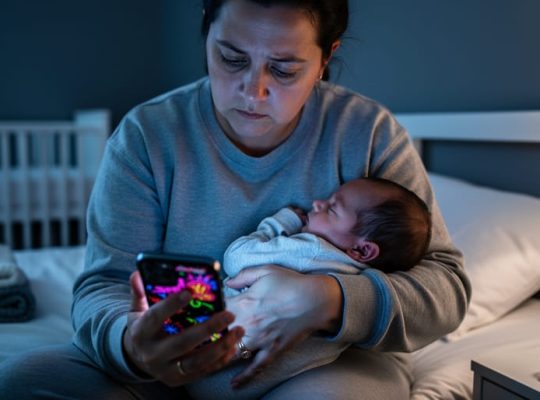

Kids mental health foundations provide specialized resources and programs designed to support your child’s emotional development from infancy through adolescence. If you’re a parent or caregiver wondering where to turn when your child shows signs of anxiety, behavioral changes, or emotional struggles, these organizations offer practical help without the clinical overwhelm.
You’re not alone in seeking support. Research consistently shows that early intervention in childhood mental health creates lasting positive outcomes, and foundations focused on kids’ wellbeing have responded by developing accessible programs for families at every stage. Whether your child is a toddler navigating big emotions or a school-age kid facing social challenges, these resources meet you where you are.
What many parents don’t initially realize is how closely children’s mental health connects to their own emotional state. When you’re struggling during pregnancy or those intense early parenting years, your child absorbs more than you might think. That’s why comprehensive kids mental health foundations now include services for the whole family, recognizing that supporting parents directly benefits children.
Programs like Mental Health in the Early Years (MHITEY) specifically address the developmental window from conception through age six, offering screenings, therapeutic support, and parent education. Community events, support groups, and consultation services provide multiple entry points based on your family’s unique needs and comfort level.
Finding the right foundation means understanding what services they offer, whether they serve your child’s age group, and how quickly you can access help when your family needs it most.

What Kids Mental Health Foundation Programs Actually Do
Kids mental health foundations work differently than you might expect. Rather than waiting until a child shows signs of struggle, these organizations focus on building emotional wellness from the very beginning, which means they’re supporting you just as much as they’re supporting your baby.
The approach centers on a simple truth: your child’s socio-emotional development and your mental health are deeply connected. When foundations provide resources for early childhood mental health, they’re simultaneously offering tools that strengthen your capacity to parent through the emotional challenges of the perinatal period. It’s not two separate programs, it’s an integrated approach that recognizes healthy parents raise healthier children.
Most foundations offer several core services:
- Prevention programs that build protective factors before problems develop
- Parent education on infant and toddler emotional development
- Early intervention resources when you notice concerns
- Community connection opportunities that reduce isolation
These resources come free of charge and are developed by mental health experts who understand early childhood development. The Kids Mental Health Foundation, for instance, provides expert-developed materials designed to make mental health support accessible to every family in their community.
Programs like the Mental Health in the Early Years (MHITEY) Initiative specifically target promotion of positive socio-emotional development and prevention of early childhood mental health problems. What makes these programs valuable is that they don’t treat parental mental health and child development as separate issues. When you access resources on helping your toddler manage big feelings, you’re often simultaneously learning regulation strategies that support your own emotional wellbeing during a demanding life stage.
The foundation model assumes that every family can benefit from this support, not just families in crisis.
Why Your Mental Health Shapes Your Child’s Foundation
Your baby’s brain begins forming emotional pathways before birth, shaped directly by your stress levels, emotional state, and the environment you create. When you struggle with anxiety, depression, or overwhelm during pregnancy and the postpartum period, those experiences don’t stay contained within you, they influence how your child’s nervous system develops and how they’ll eventually regulate their own emotions.
This isn’t meant to add guilt to an already challenging time. It’s actually empowering information, because it means the work you do to support your own mental health becomes one of the most protective factors you can offer your developing child.
Research consistently shows that parental emotional wellness during the perinatal period creates measurable differences in children’s socio-emotional development. When you address your own anxiety or depression through therapy, you’re not being selfish, you’re literally building healthier neural pathways in your baby’s brain. The calm you cultivate, the regulation skills you learn, and the emotional resilience you develop all translate into a more stable foundation for your child.
Understanding postpartum challenges and getting support early matters more than many parents realize. Babies are remarkably attuned to their caregivers’ emotional states, they read your facial expressions, sense your tension, and absorb your capacity for emotional connection. When you’re struggling, they feel it. When you’re supported and healing, they benefit from that too.
That’s exactly why how therapy helps extends far beyond your own wellbeing. The coping strategies you develop, the emotional patterns you interrupt, and the self-compassion you practice all become part of the emotional environment your child grows in. You’re not just feeling better, you’re actively shaping the foundation of your child’s mental health for years to come.
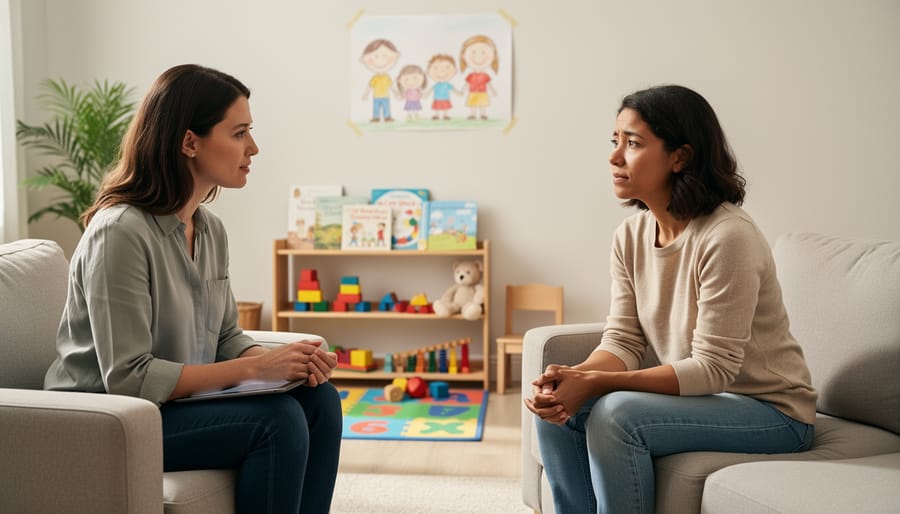
Programs That Support Both Parents and Kids Together
The Mental Health in the Early Years (MHITEY) Initiative represents a significant shift in how foundations approach family support. Rather than treating children’s emotional development and parental wellness as separate concerns, MHITEY focuses on promoting positive socio-emotional development while simultaneously preventing early childhood mental health problems. This dual approach recognizes what research has shown for years: when you receive therapeutic support during your child’s earliest years, you’re not just managing your own stress, you’re actively building your baby’s capacity for emotional regulation and secure attachment.
These integrated programs work because they address the reality of your daily life. You might attend a session where a specialist helps you understand your toddler’s frustration behaviors while also giving you space to process your own feelings of overwhelm. The expert-developed resources many foundations provide for free include tools for both recognizing developmental milestones and managing the emotional intensity of early parenthood. Dayton Children’s and the Kids Mental Health Foundation, for example, have committed to making children’s mental health resources accessible to every family in their community, understanding that accessibility means addressing both generations simultaneously.
The integration extends beyond clinical settings. Community initiatives create spaces where families can connect while supporting mental health awareness. The 5K for Kids’ Mental Health hosted by the Columbus Crew on May 31 demonstrates how foundations build community connection around these issues. Events like these normalize conversations about emotional wellness while raising funds for programs that serve parents and children together.
What makes these programs particularly valuable during the perinatal and early toddler years is their preventive focus. You don’t need a diagnosis or a crisis to benefit. The goal is promotion of healthy emotional development from the start, which means you can access support while you’re pregnant, during those early postpartum months, or as your toddler navigates big feelings. The specialists running these programs understand that your emotional state and your child’s developing brain are fundamentally connected, so they design interventions that strengthen both simultaneously.
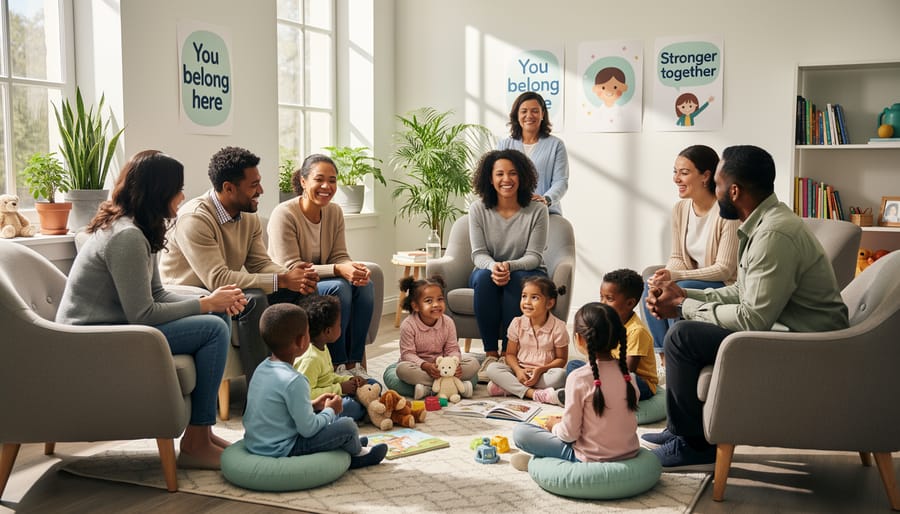
Finding the Right Foundation Resources for Your Family Stage
Finding the right foundation resources starts with understanding where you are in your parenting journey. The support you need during pregnancy looks different from what helps during those first sleepless weeks, and what serves you well with an infant shifts again as your toddler tests every boundary.
When you’re pregnant or in the postpartum period, look for programs that explicitly address perinatal mental health. Quality foundation resources will offer support for anxiety, depression, and the emotional overwhelm that comes with becoming a parent, not just information about baby care. The best programs recognize that your mental health work directly supports your baby’s developing brain, making therapy for you an investment in both your futures.
- Perinatal mental health
- Mental health support specifically designed for the period during pregnancy and the first year after birth, addressing the unique emotional challenges of this transition.
- Socio-emotional development
- Your child’s growing ability to form relationships, understand emotions, and interact with others, which begins forming from birth.
- Early intervention
- Support provided at the first signs of concern rather than waiting for problems to worsen, maximizing positive outcomes for both parents and children.
- Prevention programs
- Initiatives focused on building protective factors and healthy patterns before challenges arise, rather than only responding to crises.
- Maternal mental health support
- Therapeutic resources and community connection specifically addressing mothers’ emotional well-being during pregnancy, postpartum, and early parenting years.
As your child grows into the toddler years, seek foundations that take a dual approach. Programs like the Mental Health in the Early Years Initiative focus on promoting positive socio-emotional development while preventing early childhood mental health problems. These aren’t separate goals, your toddler’s emotional growth happens alongside your own healing and growth as a parent.
Quality foundation resources share certain markers. They’re developed by experts in both child development and parental mental health, they’re accessible without financial barriers, and they treat parent and child well-being as interconnected. Foundations that offer free resources demonstrate their commitment to reaching every family who needs support. When you’re evaluating programs, ask whether they address your needs as a person alongside your child’s developmental milestones. If a program only focuses on baby milestones without acknowledging your emotional journey, keep looking.
The right resource for your family stage is one that meets you where you are emotionally while building the foundation your child needs to thrive. That might mean therapy groups for new parents, developmental playgroups that strengthen your bond with your baby, or community events that reduce the isolation many parents feel.
When to Reach Out (And Why Earlier Is Better)
You don’t need to wait until you’re in crisis to connect with kids mental health foundation resources. The hesitation many parents feel about reaching out early is completely understandable, you might worry you’re not “struggling enough” to justify getting help, or that asking for support somehow means you’re failing. But prevention-focused programs exist precisely for families who want to build strong foundations before challenges escalate.
The reality is that early connection creates better outcomes for both you and your child. When you explore when to seek therapy during pregnancy or your baby’s first months, you’re not being overly cautious, you’re being proactive. Research supporting initiatives like the Mental Health in the Early Years (MHITEY) Initiative shows that promotion of positive socio-emotional development works best when it starts early, not after problems have already developed.
Consider reaching out if you’re experiencing persistent worry about your baby’s development, feeling emotionally disconnected, struggling with the transition to parenthood, or simply wanting guidance on supporting your child’s emotional growth. These are exactly the moments when foundation programs can make the biggest difference. The free, expert-developed resources available through organizations like Kids Mental Health Foundation are designed for families at every stage, not just those in distress.
Parenthood mental health support is most effective when it’s part of your journey from the beginning, not something you turn to only when you’ve exhausted every other option. Starting early gives you tools before you desperately need them, and that’s exactly the point.
Choosing to invest in both your mental health and your child’s early development isn’t just good parenting, it’s foundational work that shapes your family’s future. The programs offered by kids mental health foundations give you expert-developed tools and community connection right when you need them most, whether you’re pregnant, postpartum, or navigating those first years with a toddler.
The resources available in 2026 are more accessible than ever, with free materials designed specifically for families at every stage. You don’t have to figure this out alone, and you don’t have to wait until things feel overwhelming. These foundations exist because we know that early support creates lasting change.
Reaching out for help shows incredible strength. It demonstrates your commitment to building a healthy foundation for your child while taking care of yourself. Your emotional well-being matters just as much as your baby’s developing brain, and the two are deeply connected. Exploring what’s available through mental health foundations is one of the most powerful steps you can take for your whole family.