

The nightmares started three weeks after your baby was born. Not the usual new parent exhaustion, but the kind that jolts you awake, heart racing, reliving those terrifying moments in the delivery room. Or maybe you find yourself unable to drive past the hospital, your chest tightening with panic. Perhaps you’re constantly checking if your baby is breathing, unable to shake the intrusive images of what went wrong or could have gone wrong.
These aren’t just symptoms of stress or typical adjustment to parenthood. They’re potential signs of post-traumatic stress disorder, and you’re not alone in experiencing them.
PTSD affects approximately 1 in 20 new mothers following childbirth, though the number is likely higher given how many parents never report their symptoms. For those who experienced pregnancy loss, NICU stays, life-threatening complications, or other traumatic perinatal events, the rates climb even higher. Yet many parents suffer in silence, believing their trauma doesn’t “count” or that they should just be grateful their baby survived.
The truth is, your brain doesn’t distinguish between combat trauma and birth trauma. When you experience an event that threatens your life or your baby’s life, when you feel intense fear or helplessness, when medical interventions happen without your consent or understanding, your nervous system responds by trying to protect you. Sometimes that protection system gets stuck in overdrive.
Understanding what PTSD actually looks like in the perinatal period matters because recognition is the first step toward healing. The symptoms fall into four distinct categories, each affecting how you move through your days with your new baby. More importantly, effective treatments exist. With proper support, most people with PTSD see significant improvement.
You deserve to feel safe in your own body and mind as you care for your child.

What PTSD Really Means for Parents
Post-traumatic stress disorder isn’t just something that happens to soldiers or first responders. It’s a mental health condition that affects approximately lifetime prevalence of about 6% of people at some point in their lives, and it can develop after any event that involves a serious threat to your physical safety or integrity. For parents, that might mean a traumatic birth experience, a pregnancy loss, a terrifying NICU stay, or severe postpartum complications. These events absolutely qualify as trauma.
Here’s what makes something PTSD rather than a normal response to a difficult experience: the symptoms persist and interfere with your daily life for at least one month after the traumatic event. In those first weeks, you might experience intense reactions that feel overwhelming, but this is often PTSD diagnosed after one month rather than immediately.
The word “disorder” might sound scary, but really it just means that your brain’s natural protective responses have gotten stuck in overdrive. After experiencing trauma, your nervous system stays on high alert, trying to protect you from danger that has already passed. You’re not broken or weak. Your brain is doing exactly what it’s designed to do after trauma; it just needs help resetting.
Understanding that PTSD can develop from birth trauma or pregnancy complications is crucial, because many parents dismiss their symptoms or feel ashamed for struggling after what should have been a joyful time. Your experience matters. Your symptoms are real. And recognizing them as PTSD is the first step toward getting support that actually works.
The Four Core Symptom Categories You Need to Know
Intrusive Thoughts and Re-Experiencing
Intrusive thoughts are among the most distressing aspects of PTSD. They arrive uninvited, often when you least expect them, pulling you back into moments you desperately want to forget. These aren’t the usual worries that cross everyone’s mind. They’re vivid, overwhelming re-experiences of the traumatic event that can feel as real as when it first happened.
Flashbacks are perhaps the most intense form of intrusive re-experiencing. During a flashback, you might suddenly feel like you’re back in the delivery room during a traumatic birth, hearing the same urgent voices, feeling the same physical sensations. Some parents describe smelling the hospital antiseptic or feeling the harsh overhead lights, even though they’re safely at home months later. These episodes can last seconds or minutes, leaving you shaken and disoriented.
Nightmares bring the trauma into your sleep, which is particularly cruel when new parents already struggle to rest. You might dream repeatedly about complications during delivery, or wake in terror from dreams where something terrible happens to your baby. The fear lingers even after you wake, sometimes making it hard to fall back asleep.
Intrusive memories work differently. They’re unwanted images or thoughts that pop into your mind throughout the day. You might be feeding your baby and suddenly see a flash of being rushed to emergency surgery. You could be folding tiny clothes when a wave of memories from a NICU stay crashes over you. These intrusions can trigger intense physical reactions like racing heart, sweating, or trembling, your body responding as if the danger is happening now. They make it difficult to stay present with your child, stealing moments that should bring joy.

Avoidance Behaviors
Avoidance is one of the most misunderstood PTSD symptoms, yet it’s often the most visible to loved ones. When you’ve experienced trauma, your brain works overtime to protect you from reliving that pain. This protective mechanism shows up as deliberately steering clear of anything that reminds you of the traumatic event, whether that’s a physical place, a conversation topic, or even your own thoughts and feelings.
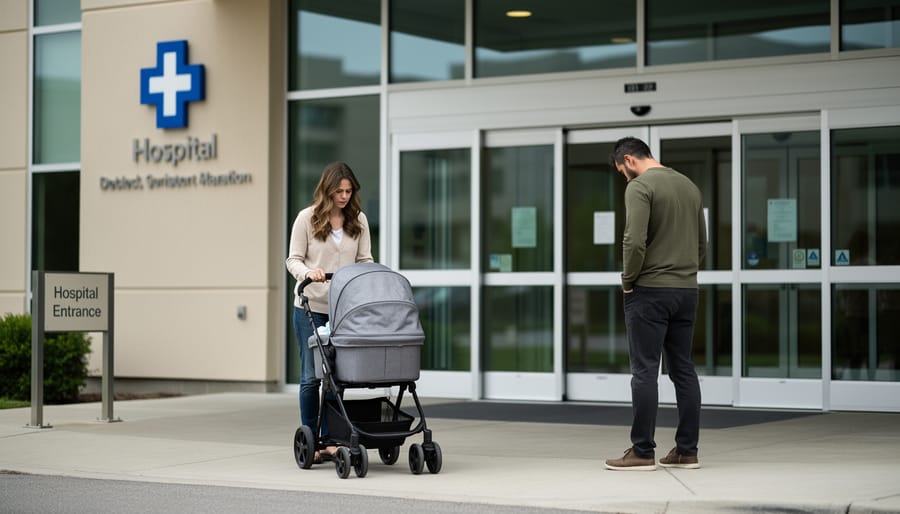
For parents who’ve experienced birth trauma or pregnancy loss, avoidance can take forms that feel deeply personal and sometimes shameful. You might find yourself taking a different route to avoid driving past the hospital where you gave birth. Maybe you leave the room when friends start talking about their pregnancies, or you skip the baby shower for a colleague because it triggers something you can’t quite name.
The most painful manifestation often involves avoiding emotional connection with your own baby. This isn’t a lack of love. It’s your brain trying to protect you from potential pain by keeping you at an emotional distance. You might go through the motions of caregiving while feeling oddly detached, or you might avoid looking at photos from the birth or early days.
Some parents avoid specific activities that remind them of the trauma, like refusing to return for postpartum checkups or declining to discuss birth plans for future pregnancies. Others avoid their own internal experience, pushing away memories or feelings whenever they surface, keeping relentlessly busy to prevent quiet moments when thoughts might intrude.
The tricky part? Avoidance feels like it’s helping in the moment. It reduces immediate distress. But over time, it actually reinforces the trauma response and prevents healing, narrowing your world bit by bit.
Negative Changes in Thoughts and Mood
This symptom category runs deeper than feeling sad or stressed. When PTSD takes hold, your entire outlook can shift. You might find yourself trapped in a loop of harsh self-judgments, convinced that what happened was your fault or that you’re fundamentally broken. These aren’t fleeting doubts. They’re persistent beliefs that color everything.
Many parents describe feeling like they’re watching their life from behind glass. You go through the motions of caring for your baby, but the warmth and connection you expected just isn’t there. You might look at your child and feel nothing, or worse, feel guilty about feeling nothing. Activities that once brought you joy now seem pointless. The thought of meeting up with friends or pursuing hobbies feels exhausting rather than appealing.
This emotional flatness can be particularly distressing for parents who desperately want to feel the love and excitement everyone keeps asking about. You’re not choosing to feel detached. Your brain is protecting itself the only way it knows how after trauma, by numbing everything to avoid the painful emotions lurking underneath.
Some parents become consumed with blame, either directing it inward or fixating on specific people or circumstances. You might ruminate endlessly on what you should have done differently, or harbor intense anger toward medical providers, your partner, or yourself. Others experience a pervasive sense of hopelessness about the future, unable to imagine things getting better or making plans beyond tomorrow.
These cognitive and emotional changes interfere with bonding, relationships, and your ability to find meaning in daily life. They’re not character flaws. They’re trauma symptoms that respond to treatment.
Changes in Arousal and Reactivity
The fourth symptom cluster involves changes in how your nervous system responds to the world around you. After trauma, your body may shift into a persistent state of high alert, as if the danger never fully passed. This shows up as hypervigilance, where you constantly scan your environment for threats, check on your baby far more than necessary, or feel unable to relax even when everything is objectively safe.
Many parents with PTSD notice an exaggerated startle response. A door closing, your partner walking into the room unexpectedly, or the baby’s cry might trigger an intense physical jolt that feels out of proportion to the actual stimulus. Your heart races, your muscles tense, and you may feel shaky or on edge for minutes afterward.
Irritability and angry outbursts can emerge seemingly out of nowhere. You might snap at your partner over something small, feel rage when the baby won’t settle, or experience intense frustration that surprises you with its intensity. These reactions often feel shameful, but they’re a symptom of your nervous system working overtime.
Difficulty concentrating is another hallmark. You might lose your train of thought mid-sentence, struggle to remember simple tasks, or find it impossible to focus on conversations. Sleep disturbances extend beyond typical new parent exhaustion. Even when the baby sleeps, you lie awake, unable to shut off your mind, or you wake repeatedly scanning for danger.
Here’s where it gets tricky: new parents are tired, overwhelmed, and stressed under normal circumstances. The difference with PTSD is the persistence and intensity of these symptoms, and their clear connection to a traumatic event. If you’re struggling to distinguish between exhaustion and something more serious, trust your instinct that something feels wrong.
How PTSD Symptoms Show Up During Parenthood
Becoming a parent involves profound physical and emotional changes, and for some, these experiences cross the line into genuine trauma. Birth trauma stands as one of the most common triggers. A delivery that involves emergency interventions, perceived threats to your life or your baby’s life, feelings of powerlessness, or inadequate pain management can all leave lasting psychological wounds. You might find yourself replaying the moments when things went wrong, or feeling terror when you need medical care again.
Pregnancy loss carries its own devastating impact. Whether you experienced miscarriage, stillbirth, or termination for medical reasons, the grief intertwines with trauma in ways that outsiders often don’t recognize. The physical pain, the shattered expectations, the return home without your baby, these create the conditions for PTSD symptoms to take root. Many parents describe feeling unsafe in their own bodies afterward.
NICU stays present a uniquely prolonged form of trauma. Watching your newborn connected to monitors and tubes, fearing each alarm, making impossible decisions about treatment, wondering if your baby will survive the night, this isn’t just stress. It’s a sustained threat that can fundamentally alter how you experience parenthood. Some parents report feeling detached from their baby even after bringing them home, a protective response their brain developed during those frightening weeks.
Infertility treatments subject your body and psyche to repeated cycles of hope and loss. The invasive procedures, the hormone impacts, the financial strain, the relationship pressure, these accumulate over months or years. Add a traumatic outcome like ectopic pregnancy or severe ovarian hyperstimulation syndrome, and you’re facing genuine trauma that deserves recognition.
Understanding postpartum complications also matters here. Severe hemorrhage, emergency hysterectomy, pre-eclampsia, or life-threatening infections create the kind of fear and helplessness that PTSD requires. The fact that these happened while bringing life into the world doesn’t make them less traumatic.
Your perinatal trauma is valid, even if others call you “lucky” because your baby is healthy. The rollercoaster of parenthood shouldn’t include reliving your worst moments or feeling afraid of your own memories.
When to Seek Professional Support
If you’re experiencing symptoms that interfere with your daily life or your ability to connect with your baby, it’s time to seek therapeutic support. You don’t need to wait until things feel unbearable. In fact, early intervention often leads to faster recovery and better outcomes.
Assessing for past trauma is a crucial part of understanding anxiety and other psychiatric symptoms. Many parents experience anxiety, depression, or mood changes after a difficult birth or perinatal event without realizing that trauma might be at the root. A thorough trauma assessment can reveal whether PTSD is contributing to your struggles, which completely changes how you should approach treatment.
Healthcare providers often use standardized tools to evaluate PTSD symptoms and their severity. The PTSD Checklist for DSM-5 is one such screening tool that uses diagnostic criteria to help determine whether you meet the criteria for PTSD and how severe your symptoms are. This isn’t about labeling you or making you feel broken. It’s about understanding what you’re facing so you can get the right help.
You might worry about being judged or dismissed, especially if you feel like your trauma wasn’t “bad enough” to warrant professional help. But here’s the truth: if your symptoms are affecting your wellbeing, your relationships, or your parenting, they matter. Seeking help isn’t a sign of weakness or failure. It’s an act of courage and self-awareness that benefits both you and your family. You deserve support, and effective treatment exists that can genuinely help you heal.

Treatment Options That Actually Help
Trauma-Focused Therapy as First-Line Treatment
When parents experience PTSD symptoms after birth trauma or other perinatal events, the evidence is clear: psychotherapy works. Medical guidelines recognize trauma-focused psychotherapy first-line treatment for PTSD, meaning it’s the most effective starting point for healing.
Trauma-focused cognitive behavioral therapy helps you process what happened in a safe, structured way. Instead of avoiding memories that trigger distress, you work with a trained therapist to gradually revisit the traumatic event while learning techniques to manage the emotional intensity. Think of it as slowly taking the power away from the trauma rather than letting it control your daily life. The therapy helps you reframe distorted thoughts, like believing you’re somehow to blame for complications during delivery, and replace them with more balanced, realistic perspectives.
Other evidence-based approaches include Eye Movement Desensitization and Reprocessing (EMDR) and prolonged exposure therapy. EMDR uses bilateral stimulation, like following the therapist’s finger movements with your eyes, while recalling trauma memories. It sounds unusual, but research shows it helps the brain reprocess traumatic experiences. Prolonged exposure involves retelling your trauma story in session and gradually confronting avoided situations, like returning to the hospital where you gave birth.
Parents often worry they can’t commit to weekly therapy sessions while caring for a baby. That’s understandable. But how therapy helps extends beyond symptom reduction, it rebuilds your capacity to connect with your child and partner.
These therapies typically show meaningful improvement within 8 to 12 sessions. You don’t have to live with flashbacks and hypervigilance forever. Recovery is possible, and trauma-focused therapy offers the strongest path forward.
Medication When You Need Extra Support
Medication can be a powerful ally in your healing journey, especially when therapy alone hasn’t fully addressed your symptoms or when accessing regular therapy feels impossible with a new baby at home. Research shows that pharmacotherapy is particularly useful for parents who have residual symptoms after completing trauma-focused therapy or who are currently unable or unwilling to access psychotherapy.
The most commonly prescribed medications for PTSD are selective serotonin reuptake inhibitors (SSRIs), which work by adjusting brain chemistry to reduce the intensity of intrusive thoughts, hypervigilance, and other trauma responses. Many parents find these medications help create enough emotional space to engage in daily caregiving without being overwhelmed by flashbacks or constant anxiety.
Treatment approaches work best when tailored to your specific symptoms, life circumstances, and preferences, combining medication with therapy often provides the most comprehensive support.
If you’re breastfeeding or planning another pregnancy, talk openly with your healthcare provider about medication safety. Many options are compatible with nursing, and the benefits of treating your PTSD often outweigh potential risks. Your mental health directly impacts your ability to care for yourself and your baby.
Starting medication doesn’t mean you’ve failed at managing your symptoms on your own. It means you’re taking your recovery seriously and using all available tools. Some parents use medication as a bridge until they can access therapy, while others find long-term medication management works best for their situation. There’s no single right path, only what helps you function and feel more like yourself again.
Finding Perinatal-Specialized Care
Finding a therapist who truly understands both trauma treatment and the unique landscape of parenthood makes a significant difference in your recovery. While many mental health providers can treat PTSD, perinatal-specialized therapists bring additional training in the specific challenges you’re facing, whether that’s navigating birth trauma while caring for a newborn, processing pregnancy loss while trying to conceive again, or managing PTSD symptoms while breastfeeding.
Start by asking potential providers directly about their experience with perinatal mental health and trauma-focused therapy. The right therapist will have training in evidence-based approaches like trauma-focused cognitive behavioral therapy and understand the intersection of PTSD with postpartum depression, anxiety, and the physical recovery from birth. They’ll also recognize how parenting responsibilities affect your capacity to engage in treatment and can adapt accordingly.
Several organizations maintain directories of perinatal mental health specialists, including Postpartum Support International and the Perinatal Mental Health Alliance for People of Color. Your OB-GYN or midwife may also have trusted referrals. If you’re struggling to find specialized care in your area, many perinatal therapists now offer telehealth appointments, expanding your options significantly.
Don’t hesitate to interview providers before committing. Ask about their approach to treating parents, whether they’ve worked with clients who experienced birth trauma or pregnancy loss, and how they structure treatment around your caregiving responsibilities. The right therapeutic relationship, built with someone who understands your specific situation, creates the foundation for meaningful healing.
Supporting Yourself While Living with PTSD Symptoms
Living with PTSD symptoms while caring for children requires both practical tools and deep self-compassion. You’re navigating two demanding realities at once, and that deserves acknowledgment, not judgment.
Grounding techniques can help when intrusive thoughts or flashbacks surface while you’re in the middle of feeding, changing, or playing with your child. The 5-4-3-2-1 technique works well because you can do it anywhere: name five things you can see, four you can touch, three you can hear, two you can smell, and one you can taste. This sensory inventory pulls you back to the present moment. Some parents keep a small object in their pocket, a smooth stone, a piece of fabric, that they can hold when they feel triggered, using the tactile sensation as an anchor.
Building community support is essential for new parent mental health especially when dealing with trauma. You don’t need to share every detail of your experience, but connecting with other parents who understand struggle creates a buffer against isolation. Online support groups for birth trauma or perinatal mental health can offer validation when you’re up at 3 a.m. wondering if what you’re experiencing is normal.
Communicating your needs to your partner or support people requires courage, but clarity helps them help you. Instead of expecting others to guess what you need, try specific requests: “I need you to take the baby for the next hour so I can decompress,” or “Please don’t ask me about the birth right now.” Setting these boundaries protects your healing process.
- Practice the 5-4-3-2-1 grounding technique when flashbacks occur during baby care
- Connect with online or local support groups for parents experiencing trauma
- Make specific requests to your partner about what you need rather than expecting them to guess
- Remind yourself that healing isn’t linear and difficult days don’t erase your progress
- Maintain simple routines where possible to create predictability amid emotional chaos
Self-compassion matters more than you might realize. When you notice yourself spiraling into self-criticism about how you’re managing, pause and ask what you’d say to a friend in your situation. The answer is probably kinder than what you’re telling yourself. Healing from trauma while parenting small children is genuinely hard work. Some days, keeping everyone safe and fed counts as success. That’s not lowering the bar; that’s honoring reality.
If you’ve recognized yourself in these symptoms, here’s what you need to know: recovery is possible. PTSD isn’t something you just have to live with. Effective, evidence-based treatments exist, and parents who seek support often experience significant improvement in their symptoms and their ability to connect with their children.
Reaching out for help isn’t admitting failure. It’s actually one of the bravest things you can do as a parent. You’re showing your child that their wellbeing matters, that healing is possible, and that asking for support takes strength. Every parent who’s walked this path before you started exactly where you are now, questioning whether what they were experiencing was normal, wondering if they’d ever feel like themselves again.
You don’t have to navigate this alone. Whether you’re still gathering information, considering therapy, or ready to reach out to a provider today, you’re taking important steps toward healing. The symptoms you’re experiencing are real, your trauma is valid, and your recovery matters, not just for you but for the family connections you’re building.
Our community is here to support you through this journey. If you’re struggling with PTSD symptoms after a traumatic perinatal experience, we encourage you to explore our resources, connect with other parents who understand, and consider reaching out to a mental health professional who specializes in perinatal trauma. You deserve support, and healing is within reach.